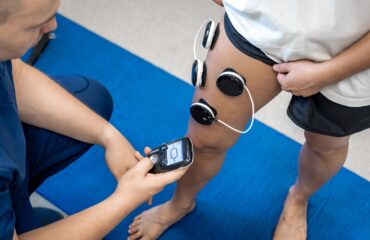
A pre-employment physical is often a key step before officially joining a new job. Many employers require it to ensure you’re physically fit and capable of handling the tasks your role demands. It’s not about judging your health but about keeping both you and your workplace safe.
If you’ve been asked to complete one and feel unsure about what it involves, this guide will walk you through everything, from what’s included in a typical job physical, to how you can best prepare.
Why Do Employers Require a Pre-Employment Physical?
Employers use workplace screening as a way to reduce risks, prevent future injuries, and make sure the role is a good match for your current health status. This is especially important in jobs that involve physical labor, driving, or working with hazardous materials.
It’s also a way for companies to stay compliant with regulations, especially in fields like transportation, healthcare, and construction.
What’s Typically Included in a Pre-Employment Physical?
The content of a job physical can vary depending on the job, but here’s what you can generally expect:
1. Medical History Review
- You’ll answer questions about past surgeries, chronic illnesses, medications, or current symptoms.
- Be honest. This helps providers get a full picture of your health.
2. Vital Signs Check
- Blood pressure
- Heart rate
- Temperature
- Respiration rate
3. Physical Examination
A basic head-to-toe check may include:
- Listening to your heart and lungs
- Checking reflexes, balance, and muscle strength
- Examining your vision and hearing
4. Lab Tests or Screenings
Depending on the job, the exam might include:
- Urinalysis (to check kidney function or rule out infections)
- Drug testing
- TB test or other condition-specific screenings
5. Job-Specific Assessments
Some roles require more detailed checks:
- Lifting tests for physical labor
- Range of motion or endurance tests
- Respiratory function tests for certain industrial roles
What to Expect: Timing, Paperwork, and Cost
How Long Does It Take?
Most physicals take between 30 to 60 minutes depending on complexity.
Do You Need to Bring Anything?
Yes, here’s what to bring:
- A valid photo ID
- A list of medications
- Any forms from your employer
- Glasses or hearing aids if you use them
Who Pays for It?
In most cases, the employer covers the cost of the physical. But it’s worth double-checking with HR beforehand.
Tips to Prepare for Your Pre-Employment Physical
- Sleep well the night before
- Stay hydrated, especially if you’ll be doing lab work
- Avoid alcohol or any non-prescribed substances
- Bring medical documents like allergy info, past test results, or medical devices
- Wear comfortable clothing in case movement or lifting tests are part of the screening
Does a Pre-Employment Physical Mean I Might Not Get the Job?
Not necessarily. The goal is not to disqualify you, but to ensure you’re capable of safely performing your duties.
In some cases, if a medical condition is discovered, employers may look at reasonable accommodations rather than rescinding the offer. The Americans with Disabilities Act (ADA) protects applicants from discrimination based on health conditions.
If you want to know more about employee rights and health screenings, the U.S. Equal Employment Opportunity Commission offers a helpful guide.
How It’s Different From an Annual Physical
Many people wonder how this differs from a regular checkup.
| Pre-Employment Physical | Annual Physical Exam |
|---|---|
| Required by employer | Optional and self-initiated |
| Job-specific health evaluation | General wellness overview |
| Often includes drug testing | Typically does not |
| Employer receives the results | Private between you and your doctor |
Final Thoughts
Understanding what happens during a pre-employment physical can take a lot of the anxiety out of the process. It’s about setting everyone up for success—employers and employees alike.
If you’re preparing for one, just take a deep breath, bring your paperwork, and arrive with an open mind. Most of the time, it’s a quick, straightforward process.