Managing chronic conditions is a lifelong journey, but with the right approach to chronic disease management, many people lead full and active lives. Whether you’re navigating diabetes, hypertension, or another long-term condition, understanding your care options and staying consistent with your plan can greatly improve your well-being.
This guide provides a practical, compassionate look at how you can take control of your health and thrive despite chronic illness.
What Is Chronic Disease Management and Why It Matters
Chronic disease management refers to a structured approach to treating ongoing health conditions such as heart disease, diabetes, asthma, or arthritis. It includes regular monitoring, lifestyle changes, medication, and communication with healthcare providers.
Effective management can help reduce symptoms, slow disease progression, and lower the risk of complications. More importantly, it empowers individuals to take charge of their health in meaningful ways.
Common Chronic Conditions That Require Ongoing Care
Diabetes Care
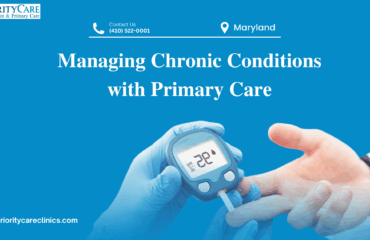
Managing diabetes involves more than just monitoring blood sugar. It includes meal planning, exercise, foot care, and staying on top of medications. Regular appointments with a primary care provider or endocrinologist help monitor your A1C levels and make necessary adjustments.
Hypertension Control
High blood pressure is known as the “silent killer” because it often has no symptoms. Yet left unchecked, it can lead to heart attack or stroke. Managing hypertension includes eating a low-sodium diet, staying active, taking prescribed medications, and routinely checking your blood pressure.
How to Manage Chronic Illnesses Effectively
The Role of Primary Care Providers
Your primary care provider plays a central role in coordinating your care. They monitor your condition, order labs, and manage referrals to specialists. Regular visits also allow early detection of new symptoms and help tailor your treatment plan.
Building a Sustainable Lifestyle
Chronic disease management thrives on consistency. Start with simple changes:
- Eat more vegetables and whole grains
- Exercise 3–5 times a week
- Reduce processed food and sugar intake
- Get 7–9 hours of sleep
Even small improvements can have lasting benefits.
Medication Adherence Tips
For many, sticking to a medication schedule is a major hurdle. Use pill boxes or phone reminders. Communicate with your pharmacist if you have side effects or questions. Never stop or change a dose without consulting your provider.
Chronic Disease Self-Management: Tools and Resources
Knowledge is key. Many organizations offer self-management education programs, like those from the CDC. Mobile apps, such as glucose trackers or blood pressure logs, can help you stay organized and engaged.
Online or local support groups provide emotional encouragement and practical advice from others living with similar challenges.
When to Seek Help: Recognizing Warning Signs
Know your red flags. For example, in diabetes, sudden fatigue, blurred vision, or numbness may need immediate attention. If your blood pressure spikes or your chest feels tight, don’t delay care.
Visit urgent care or primary care when new or worsening symptoms appear. Early treatment prevents small problems from becoming serious ones.
How Regular Check-Ups Support Chronic Condition Management
Routine check-ups aren’t just for the healthy — they’re critical for managing chronic illnesses. They help providers track changes, update treatment plans, and catch new issues early.
Regular visits are also a chance to discuss lab results, medication side effects, and mental health, which is often overlooked in chronic care.
📍 Related Read: Why Regular Check-Ups Are Essential for Long-Term Health
Conclusion
Chronic disease management is not just about preventing complications, it’s about improving your everyday quality of life. With the support of primary care, healthy habits, and the right tools, you can live well with a chronic condition.
Take that first step today. Schedule a check-up, talk to your provider, or join a support group. Small steps lead to stronger health.