As COVID-19 continues to evolve, many people are searching for reliable information about new COVID variant symptoms and how the latest strains may affect their health in 2026. One of the most talked-about emerging strains this year is the NB.1.8.1 variant, part of the Omicron family. While current evidence suggests it is not more severe than previous variants, it is spreading quickly and causing concern due to its highly contagious nature.
Understanding the symptoms, how it compares to the flu, when to get tested, and how to protect yourself can help you stay safe and make informed health decisions.
What Is the NB.1.8.1 COVID Variant?
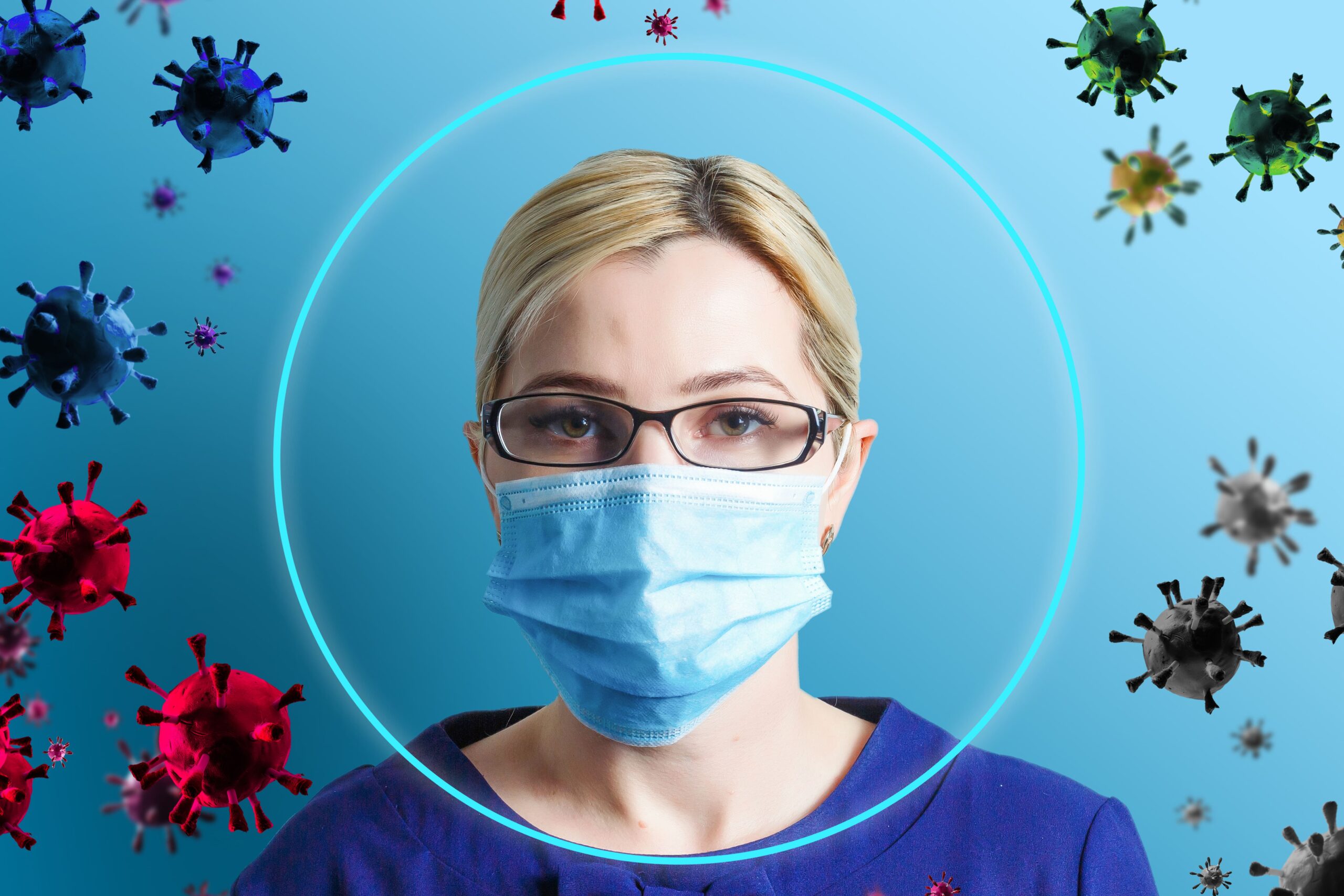
The NB.1.8.1 variant, sometimes referred to in the media as part of the “Nimbus” group of variants, is a sub-lineage of Omicron that has been detected across multiple regions worldwide. Like other recent COVID variants, it carries mutations that allow it to spread more easily from person to person.
Health experts continue to monitor this COVID variant 2026 closely. So far, data shows it behaves similarly to earlier Omicron strains in terms of illness severity for most healthy individuals. However, higher transmission means more overall infections, which still puts vulnerable populations at risk.
Common New COVID Variant Symptoms in 2025
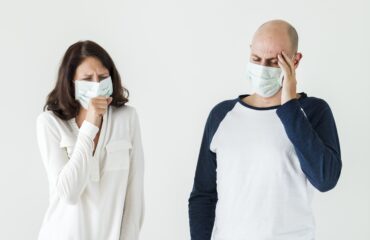
Most reported NB.1.8.1 variant symptoms closely resemble those seen with previous Omicron waves. However, some symptoms appear to be more noticeable with this strain.
Most Frequently Reported Symptoms
- Sore throat (often described as severe or sharp)
- Congestion or runny nose
- Dry cough
- Fatigue and weakness
- Headache
- Mild fever or chills
- Body aches
- Sneezing
Loss of taste or smell is less common than earlier pandemic strains but may still occur.
Less Common but Possible Symptoms
- Shortness of breath
- Chest tightness
- Nausea or diarrhea
- Dizziness
For many people, symptoms begin mildly and improve within several days. However, individuals with underlying health conditions, weakened immune systems, or advanced age may experience more serious complications.
How New COVID Variant Symptoms Compare to Flu and Allergies
One of the biggest challenges in 2025 is distinguishing symptoms of the new COVID 2026 variant from seasonal flu or allergies. Many symptoms overlap, which makes testing especially important.
COVID vs. Flu
Flu symptoms often come on suddenly and typically include high fever, intense body aches, and severe fatigue. COVID symptoms may start more gradually and are more likely to involve sore throat, congestion, and prolonged fatigue.
COVID vs. Seasonal Allergies
Allergies usually cause sneezing, itchy eyes, and congestion without fever or body aches. If you have fever, fatigue, or muscle pain, COVID is more likely than allergies.
If you are unsure, testing remains the most reliable way to confirm the cause of your symptoms.
How Contagious Is the Emerging COVID Strain?
The emerging COVID strain NB.1.8.1 is considered highly transmissible. This means it spreads easily in close contact settings such as homes, schools, workplaces, and public transportation.
Factors driving increased spread include:
- Shorter incubation period
- Ability to partially evade prior immunity
- Reduced mask usage in the general population
Even people who are vaccinated or previously infected can still contract this variant, although vaccination significantly reduces the risk of severe illness and hospitalization.
When to Get Tested for the New COVID Variant
You should consider COVID testing if you:
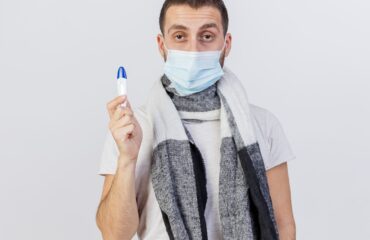
- Experience cold- or flu-like symptoms
- Have been in close contact with someone who tested positive
- Are attending large gatherings or traveling
- Live with or care for someone at high risk
Most at-home rapid tests can still detect this variant. However, if your first test is negative but symptoms persist, repeat testing after 24–48 hours is recommended.
Seek urgent medical care if you experience:
- Difficulty breathing
- Persistent chest pain
- Confusion
- Bluish lips or face
- Trouble staying awake
Treatment Options for Mild to Moderate Cases
There is currently no specific treatment for the new variant itself, but care focuses on relieving symptoms and preventing complications.
For most mild cases:
- Rest and hydration
- Fever reducers such as acetaminophen or ibuprofen
- Decongestants for congestion
- Throat lozenges for sore throat
High-risk patients may be eligible for antiviral medications such as Paxlovid when prescribed early in the course of infection. A healthcare provider can determine whether this treatment is appropriate based on medical history and current symptoms.
Preventing Infection and Protecting Others
Prevention remains one of the most effective ways to reduce the spread of the COVID variant 2026.
Key prevention strategies include:
- Staying up to date with COVID-19 vaccinations and boosters
- Hand hygiene with soap or alcohol-based sanitizer
- Avoiding close contact with sick individuals
- Wearing a mask in crowded indoor settings when viral spread is high
- Improving indoor ventilation
If you test positive, isolate according to current public health guidelines to protect family members, coworkers, and high-risk individuals.
Recovery and What to Expect After Infection
Most people recover from the new COVID variant within 5 to 10 days. Fatigue, cough, or congestion may linger longer, especially in older adults.
During recovery:
- Gradually return to normal activity levels
- Prioritize sleep and hydration
- Monitor symptoms for worsening
- Avoid intense exercise until fully recovered
If symptoms persist beyond a few weeks, consult a healthcare provider to rule out post-viral complications or long COVID.
When to See a Doctor
You should seek medical evaluation if:
- Symptoms worsen after several days
- Fever remains high for more than 3 days
- You belong to a high-risk group (heart disease, diabetes, lung disease, pregnancy, immunocompromised)
- You develop chest pain or breathing difficulties
Early medical evaluation can prevent complications and ensure proper treatment.
Staying Informed and Prepared
New COVID variants will likely continue to emerge. Staying informed about new COVID variant symptoms, testing guidelines, and local public health recommendations helps you protect both yourself and your community. Reliable medical sources and your healthcare provider remain the best resources for up-to-date guidance.
For more information on COVID-19 symptoms and prevention, you can visit the Mayo Clinic COVID-19 Resource Center
Final Thoughts
While the NB.1.8.1 variant symptoms are generally similar to recent Omicron strains, its rapid spread makes awareness critical. Recognizing early symptoms, getting tested promptly, and following prevention strategies can significantly reduce the risk of severe illness and community transmission.
If you or a loved one develop symptoms and are unsure how to proceed, timely medical guidance can make all the difference.