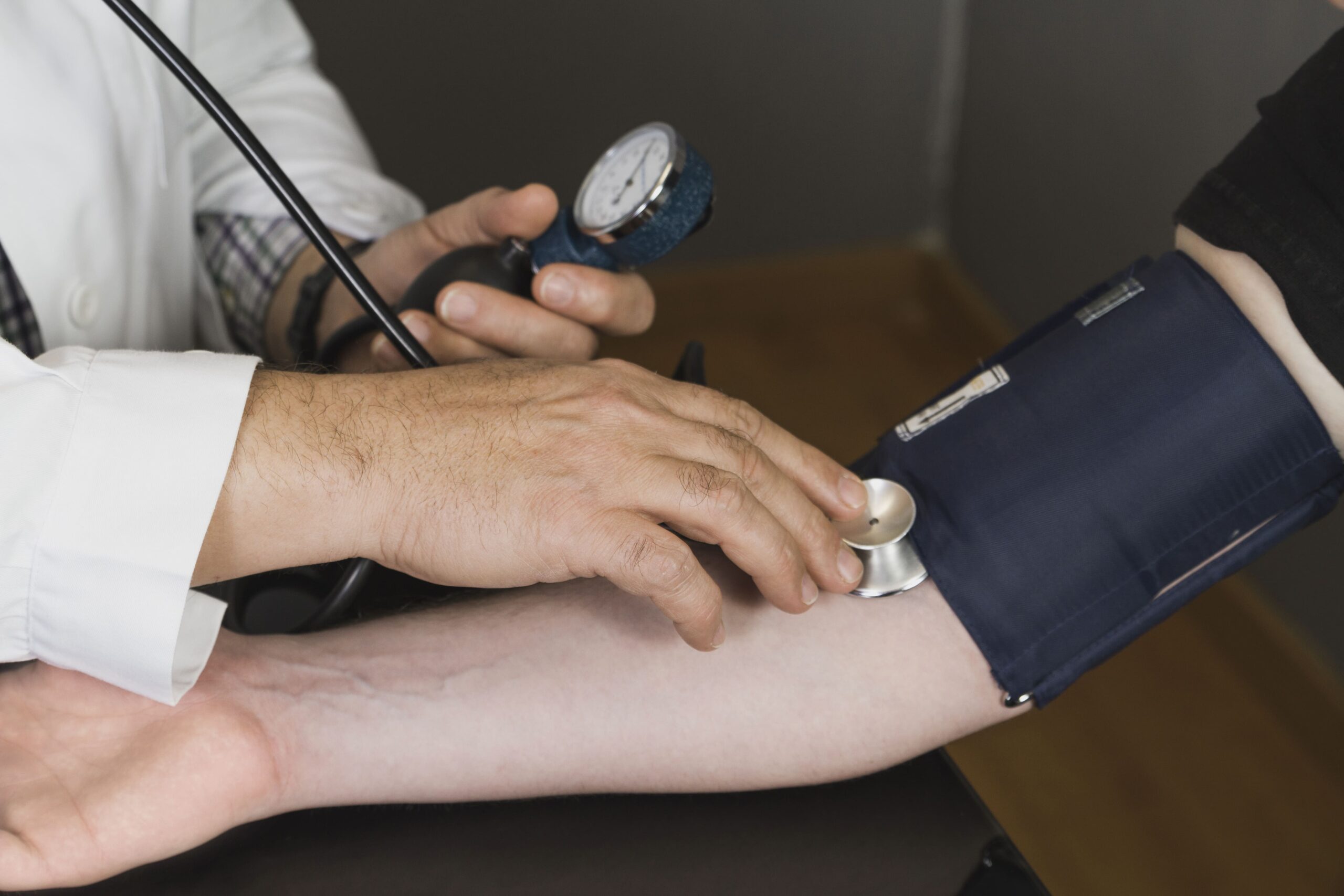
Staying healthy starts with being proactive, and regular physical exams are one of the easiest ways to protect your long-term well-being. A yearly visit helps catch small issues before they grow and gives you and your provider a clear picture of your health status. In this guide, you’ll learn what to expect, why these exams matter, and how to get the most out of your annual physical.
What Is a Physical Exam?
A physical exam, also called an annual physical or wellness check, is a routine visit to assess your overall health. It’s not just about treating sickness; it’s about preventing it. Your primary care provider checks your vitals, reviews your medical history, and helps you plan for a healthier future.
These visits are the foundation of preventive care. They allow you to build a long-term relationship with your provider and make informed choices about screenings, vaccines, and lifestyle changes.
Key Benefits of Regular Physical Exams
Regular physical exams offer more than just peace of mind. Here’s how they help:
Early detection of health issues: Many chronic conditions like high blood pressure, diabetes, or high cholesterol can develop silently. Routine checks can catch these early.
Establish a health baseline: Tracking your vital signs and lab results year after year helps spot unusual changes sooner.
Build trust with your provider: Open, ongoing communication means you get personalized advice you can trust.
Support mental well-being: A good provider will ask about stress, sleep, and mental health as part of a whole-person approach.
These benefits explain why a physical exam is one of the simplest but most powerful tools in preventive care.
What to Expect During a Physical Exam
Wondering what happens at your appointment? A typical physical exam for adults covers:
- A full review of your health history and any new symptoms.
- Checks for blood pressure, heart rate, weight, and BMI.
- Lab tests for cholesterol, glucose, or other concerns.
- Screenings based on your age, gender, or family history.
Your provider may also ask about your lifestyle, from diet to exercise and smoking habits. They might recommend follow-up screenings or share tips for managing risk factors.
For example, if you have a chronic condition like diabetes or high blood pressure, your annual physical helps you and your provider adjust your care plan. For more on managing these conditions, read our post on Managing Chronic Conditions: A Guide to Better Living.
How to Prepare for Your Annual Physical
Want to get the most out of your next physical? Here’s what to do:
- Bring a list of medications and any vitamins or supplements you take.
- Note any recent changes in your health or new symptoms.
- Write down questions you’d like to ask.
- Be ready to discuss lifestyle habits honestly.
This preparation makes your visit smoother and helps you and your provider focus on what really matters.
FAQs About Physical Exams
How often should I get a physical exam?
Most adults benefit from an annual check-up. However, your provider may suggest a different schedule based on your health.
Are physical exams covered by insurance?
In most cases, yes. Annual wellness checks are often covered as preventive services, but it’s smart to confirm with your insurance plan.
What’s the difference between a sports physical and an annual physical?
A sports physical focuses on whether you’re fit to play a specific sport. An annual physical is broader, looking at your total health.
Where to Get a Comprehensive Physical Exam
Looking for convenient, reliable exams? Priority Care Clinics offers walk-in appointments, same-day care, and a friendly team ready to help you stay on top of your health. Whether you need a general wellness check or specialized screenings, we make it simple.
Your Health Starts Here
Routine physical exams keep you in charge of your health. They give you answers, guidance, and support at every stage of life. Don’t wait until a problem surprises you. Take the next step and book your exam today.