Managing diabetes requires consistent monitoring, communication with healthcare providers, and ongoing lifestyle adjustments. For many, balancing all of this with daily life can be overwhelming. That’s where telehealth diabetes care steps in—making diabetes management more accessible, convenient, and personalized. Through virtual check-ins, medication adjustments, and real-time tracking, telehealth allows patients to take control of their health while staying connected to their care team.
What Is Telehealth Diabetes Care?
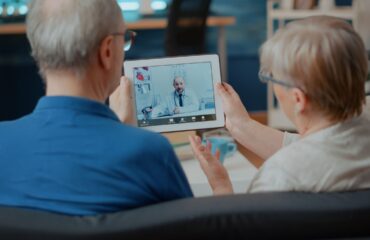
Telehealth diabetes care combines technology with primary care expertise to help patients manage diabetes remotely. It uses secure video consultations, digital health platforms, and connected devices to monitor blood sugar levels and overall health. This form of care enables ongoing communication between patients and providers without requiring frequent in-person visits.
Whether you’re newly diagnosed or managing diabetes for years, virtual diabetes management offers flexibility, continuous support, and quick access to professional guidance, no matter where you are.
Why Telehealth Matters in Diabetes Management
Traditional diabetes care often relies on scheduled clinic visits, but telehealth introduces a more proactive approach. Patients can share glucose readings, discuss symptoms, and adjust medications from home, helping to prevent complications and improve long-term outcomes.
Key benefits include:
- Frequent touchpoints: Patients can check in more often, leading to better blood sugar control.
- Less travel: Ideal for those living in rural areas or managing mobility challenges.
- Faster responses: Providers can make timely adjustments to medications and care plans.
Telehealth removes barriers that often delay care helping patients stay consistent and engaged with their treatment.
Core Components of Virtual Diabetes Management
1. Virtual Consultations and Check-ins
Through secure video calls, patients can discuss glucose levels, side effects, or new symptoms with their provider. These sessions are ideal for addressing small changes that might otherwise go unnoticed until the next clinic visit.
2. Medication Management and Refills
Managing diabetes often involves regular prescription updates. With remote diabetes care, providers can review patient data and adjust medication dosages virtually. Refills can also be handled through digital platforms, reducing the need for office visits.
3. Nutrition and Lifestyle Support
Healthy eating and regular activity are crucial in diabetes management. Telehealth allows access to nutritionists and lifestyle coaches who can guide patients remotely, helping them make sustainable daily choices.
4. Remote Monitoring and Data Sharing
Many patients use continuous glucose monitors (CGMs) or mobile apps to track blood sugar trends. These tools integrate directly with telehealth systems, giving healthcare providers real-time insights into a patient’s condition.
5. Coordinated Care Between Visits
Virtual appointments complement in-person checkups. For example, lab work or screenings can still occur at a physical clinic, but the results and follow-up can be handled online, saving time while maintaining high-quality care.
Benefits of Managing Diabetes with Telehealth Primary Care
Research shows that consistent telehealth engagement can improve blood sugar control and patient satisfaction. Patients using hybrid care models (telehealth + in-person visits) often report fewer emergency visits and better medication adherence.
Telehealth also enhances emotional support. Managing a chronic condition can be stressful, and frequent communication helps patients feel less isolated and more empowered.
National Library of Medicine– Diabetes care: How telehealth can help
Challenges and How to Overcome Them
While telehealth offers clear benefits, some patients face challenges like limited internet access, difficulty using technology, or concerns about privacy. These can be addressed by:
- Using simple, user-friendly platforms provided by healthcare clinics
- Scheduling tech-support sessions for setup assistance
- Ensuring secure, encrypted systems protect medical data
Primary care providers also play a role by identifying which appointments are best suited for virtual care versus in-person evaluation.
Tips to Make the Most of Your Telehealth Appointments
Getting the most out of telehealth diabetes care involves a little preparation. Here are some practical steps:
- Record your blood sugar levels and symptoms regularly.
- Keep a list of questions or concerns before each appointment.
- Ensure your device and internet connection are working properly.
- Schedule follow-ups to stay consistent with care plans.
These small habits make virtual care more efficient and personalized, helping you and your provider track progress over time.
The Future of Diabetes Care Is Hybrid
Telehealth is not meant to replace traditional care—it complements it. The combination of remote monitoring and in-person visits offers the best of both worlds. Patients can receive routine checkups, eye exams, or lab work in person, while using virtual visits for regular management and follow-ups.
At Priority Care Clinics, our team offers both in-clinic and telehealth options to ensure comprehensive diabetes management. Whether you need to review your glucose readings, adjust medications, or discuss diet and exercise goals, our providers are here to support you—wherever you are.
Conclusion
Telehealth is redefining how diabetes is managed in primary care. It empowers patients to stay informed, connected, and proactive about their health. By combining technology with compassionate care, telehealth diabetes care helps you take control of your condition while fitting seamlessly into your lifestyle.
Ready to take the next step?
Schedule a telehealth consultation with Priority Care Clinics and start managing your diabetes on your terms.